'sad to see that you're suffering, work hard at being a something'
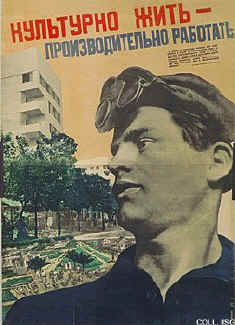
Some thoughts, then, on k-punk's distinction between class as identity and the 'proletarian' as disidentity...
Broadly speaking I'm in sympathy with disposing of the Burchillian dewy eyed view of the 'working class blood royal', of accepting the disjunction that has occured between the 'proletarian' and the working class as defined by dress, accent, culture- but it's an interesting time to pose this question, as w/c 'ethnicity' is a major issue currently for the first time in years. Most obviously in the New East End debate (skewered by Chris Jones here) and in the rise of the BNP, answering the grievances of the 'white working class'. Michael Collins' The likes of Us articulates with vigour and occasional smugness this view of a (in his phrase) 'forgotten tribe', allegedly fuming about council houses going to immigrants.
While that debate should be dismissed as the dissembling that it is, if we accept w/c as ethnicity, then there is hidden in the recent rise of the pejorative 'Chav' an enormous amount of acceptable racism towards the white w/c. Something like Little Britain is almost Victorian in its sheer unadulterated class disdain (though is of course hugely popular among the constituency it so blithely showers with contempt).
What could be possible here would be attempting the radicalisation of the white wc by accentuating the very forms that bourgeois sitcom writers find so horrifying- a kind of english Chavism with an affinity to the Venezuelan, which of course rests on the mobilisation of people previously disengaged/disgusted/disenfranchised with the liberal capitalist mainstream.
I'm reminded of the way that Bobby Seale in Seize the Time writes of the Black Panthers' attempt to accentuate the very forms of black working class ethnicity that scared the US bourgeois- gang culture, swagger, machismo, threat- and harnessing it to a univeralist, Marxist political project. Seale dismissed black 'cultural nationalism' but at the same time the Panthers tries to use culture as a weapon. Whether this can or should be tried is an open, but I would say pertinent question- rather than strictly demarcate identity/disidentity, to treat it as porous, dialectical.
posted by owen hatherley at 10:37 am


0 Comments:
Post a Comment
<< Home